
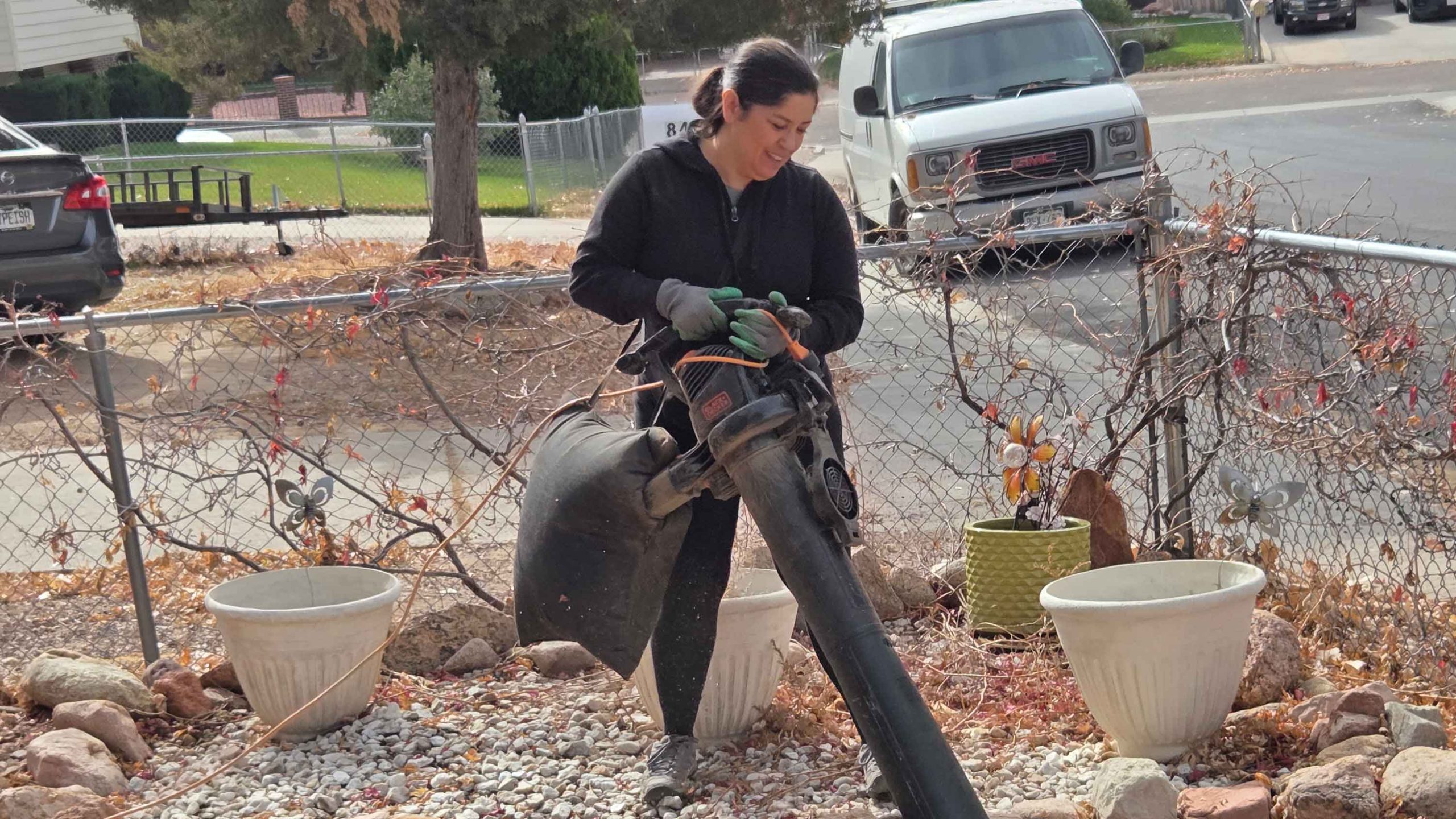
By Dali Moncada, volunteer programs manager
Communities grow stronger when people decide to show up for one another. Sometimes that begins with someone searching for friendship. Sometimes it begins with someone looking to feel connected to a new place. Sometimes it begins with someone who simply isn’t finished contributing yet. Different beginnings. The same outcome. At the end of the day, communities aren’t built by programs or buildings or institutions. They are built by people who decide to lend a hand.
The Student
A college student arrives in a new city with a car full of boxes and a head full of questions.
Classes will start soon. There will be assignments, deadlines, and professors to impress. But outside the classroom, everything still feels unfamiliar. The streets are new. The faces are new. Even going grocery shopping feels foreign. Making friends isn’t as simple as it used to be. One afternoon, while scrolling through campus resources, the student notices a volunteer opportunity helping older adults with yard work. It seems simple enough. A few hours on a Saturday. But that Saturday becomes more than yard work. They’re picking up tools for the first time and learning from someone who’s been doing this kind of work for decades. They meet other volunteers who laugh easily and share stories about classes, careers, and life. The student found themselves picking up skills, gaining confidence, and making connections that will follow them long after graduation. By the end of the afternoon, the student realizes something surprising: They didn’t just spend the day helping someone.
They spent the day belonging somewhere.
The New Neighbors
Across town, a couple has just moved into a new neighborhood.
They’ve unpacked most of the boxes, but something still feels unfinished. They know their next-door neighbor’s dog’s name, but not the neighbor. They’ve waved to people walking down the street, but conversations rarely go further than a polite hello. They want to feel connected to the place they now call home. Knocking on doors to introduce themselves feels awkward. But when they see a local volunteer project helping older residents with outdoor chores, something clicks. Instead of awkward introductions, they show up with their sleeves rolled up and ready to work. As the day goes on, conversations happen naturally. Neighbors recognize neighbors. Stories about the neighborhood start to flow. Someone shares which trees bloom first in spring. Someone else points out who makes the best cookies during the holidays. By the end of the afternoon, the couple realizes they didn’t just help tidy a yard.
They began building relationships with the people who make their neighborhood what it is.
The Retiree
Then there’s the volunteer who has already spent decades working.
For years, their days were structured by schedules, responsibilities, and the quiet satisfaction that comes from doing a job well. Now retirement has arrived, bringing something unexpected — time. But the work ethic that guided them for so many years hasn’t gone anywhere. They still want to build things. Fix things. Help people. They still carry a lifetime of knowledge that doesn’t feel ready to sit quietly on a shelf. When they hear about opportunities to volunteer, something feels familiar again. There are projects that need organizing. Tools that need using. Younger volunteers who are eager to learn but haven’t had someone show them the tricks that only experience can teach. The retiree shows up not because they have to. But because they still have something meaningful to give.
And every time they pass along a piece of knowledge, they see something powerful happening — their experience continues to live on through others.
The Same Saturday
Eventually, all three stories lead to the same place.
A Saturday morning.
Work gloves. Rakes and yard tools. A small group of volunteers gathered outside the home of an older adult who signed up for help. At first, they are strangers. But as they work together something simple and powerful happens. A group of people from completely different walks of life come together with a shared purpose. Not because they had the same reasons for volunteering. But because they all believed in the same thing: Helping someone else matters.
Strong communities are built by helping hands.