
By Teon Horsey, direct service supervisor
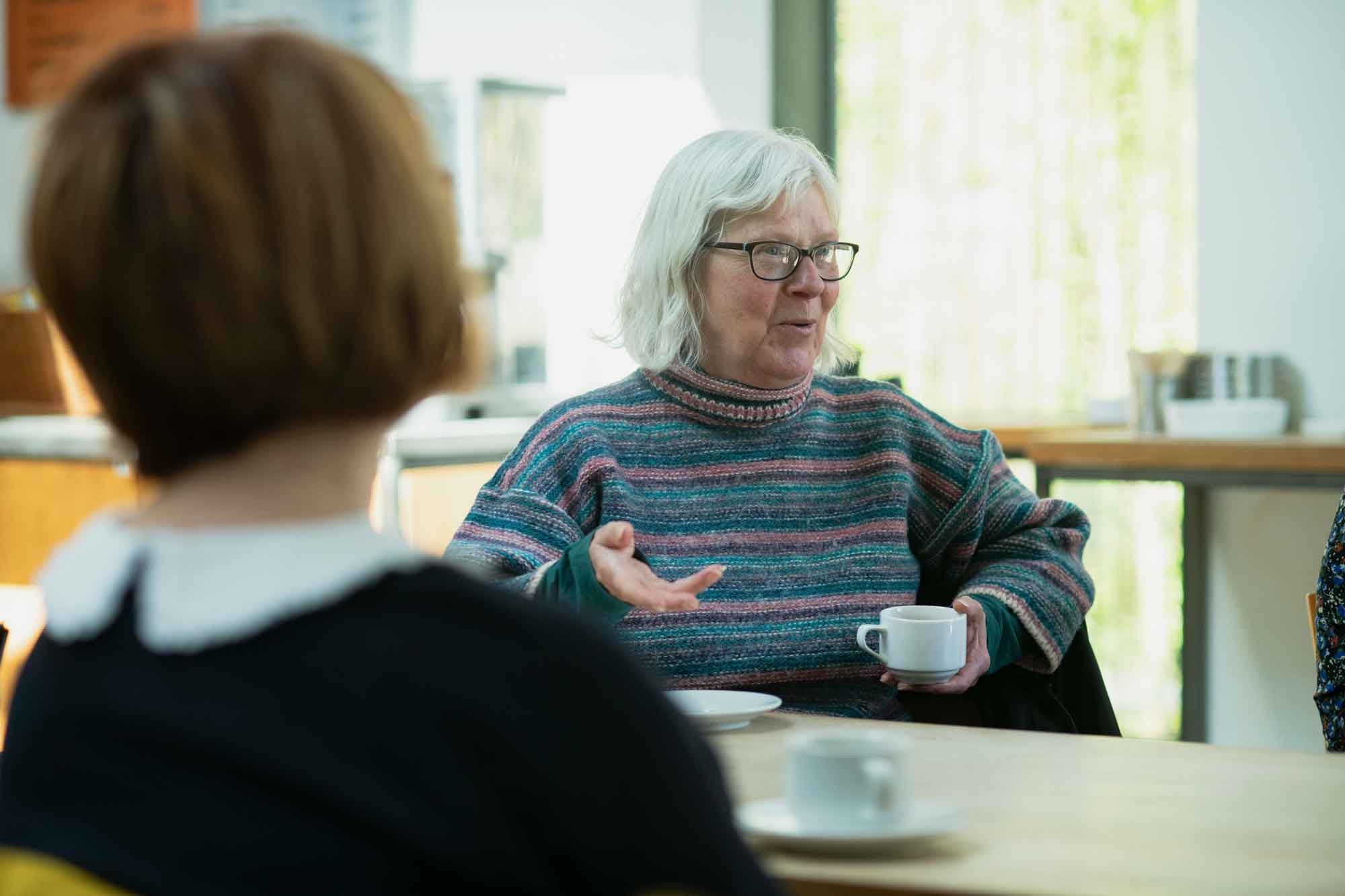
Effective communication is the core to any successful relationship. In working with older adults, the key isn’t simply speaking louder or using “elder-speak.” Instead, it is about listening deeper—with an open heart, an open mind, and without assumptions.
The Lesson of Jack and Jane
Once upon a time, an elderly couple lived in a quaint house. Every night, the husband would butter the bread for dinner and give his wife the end pieces (the heels), smiling as he did so. For fifty years, the wife grew resentful: ‘Jack gave me the ends again!’
Finally, one day she snapped: ‘For fifty years, you’ve always given me the heel of the bread! I’ve had enough!’
Jack was startled, his heart sinking. ‘I’m so sorry honey,’ he whispered. ‘That’s always been my favorite part.’
For decades, both were trying to show love, but neither communicated their true needs for fear of hurting the other. They assumed—and assumption is the greatest barrier to meaningful connection.
Breaking Through Assumptions
Far too often, communication with aging adults is based on preconceived notions:
- “They probably don’t understand technology.”
- “They don’t want to try new things.”
- “They prefer it this way.”
- “They just repeat themselves.”
Practical Tips for Everyday Communication
- Speak clearly: at a natural pace (avoid ‘elder-speak’).
- Minimize background noise: to ensure focus.
- Give time to respond: allowing for thoughtful answers.
- Use positive body language: to show engagement and warmth.
- Validate feelings: and encourage participation in decisions.
- Refrain from assuming: what the individual wants or needs.
“Communication isn’t deciding for someone. It’s in listening to them.”
The Golden Rule: ASK.
Ask what they want. Ask what they need. Ask how they feel. Ask what works for them.